AI GLAMour: Artificial Intelligence in Galleries, Libraries, Archives, and Museums
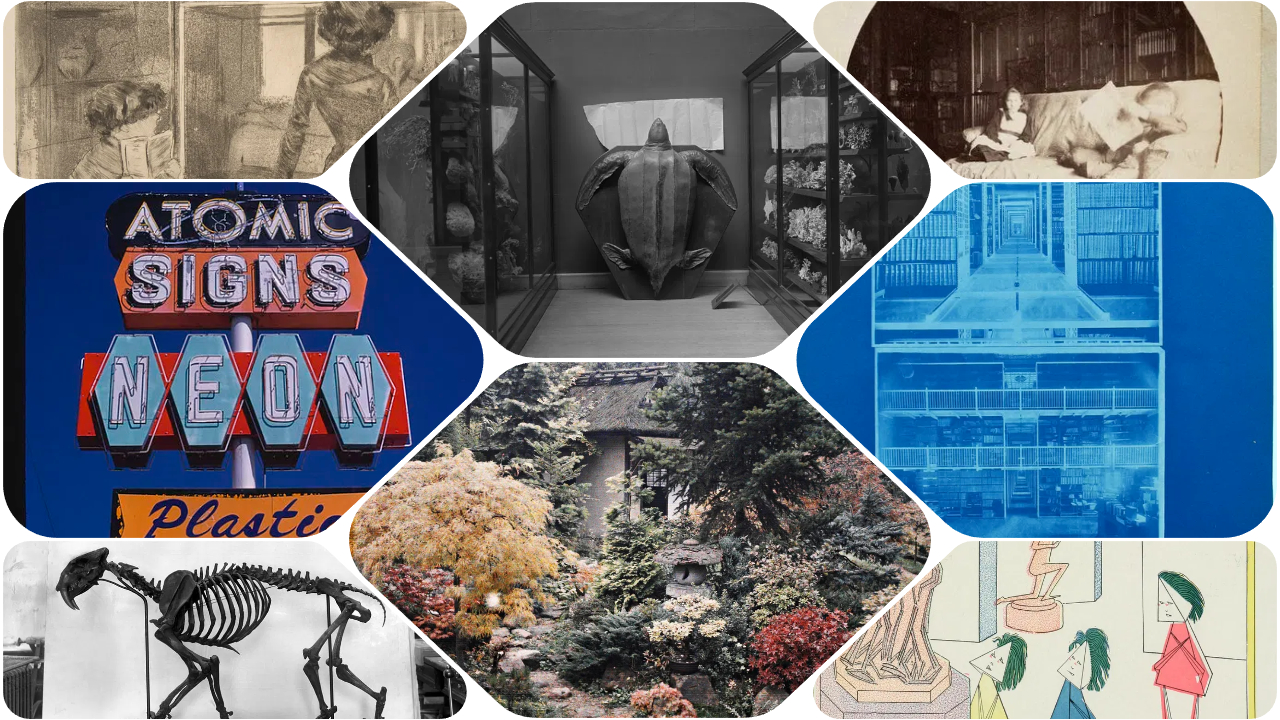
Collage of historic images and artworks relating to galleries, libraries, archives, and museums
Abstract
Galleries, libraries, archives, and museums (GLAMs) are institutions whose primary goal is structured around the idea of cultural heritage. Over the course of the digital age, efforts have been made to incorporate more technology in GLAMs in order to improve certain aspects of user and worker experience. However, during the COVID-19 pandemic, these institutions were faced with the challenge of providing community services while isolated. The response was a great increase in digital technology usage, but attendance for GLAMs still remains below their pre-pandemic levels. Therefore, this case study explores the possibility of AI as a tool for reinvigorating public interest in galleries, libraries, archives, and museums, while also deliberating on the ethical drawbacks.
Learning Objectives
- Understand the distinctions and interrelational connections between GLAMs
- Comprehend the previous adaptations these institutions made with the growth of technology
- Analyze artificial intelligence as a possible solution to increasing demands
- Discern the ethical concerns related to large scale artificial intelligence use
- Gain local perspectives on the implementation of AI in GLAMs
Introduction
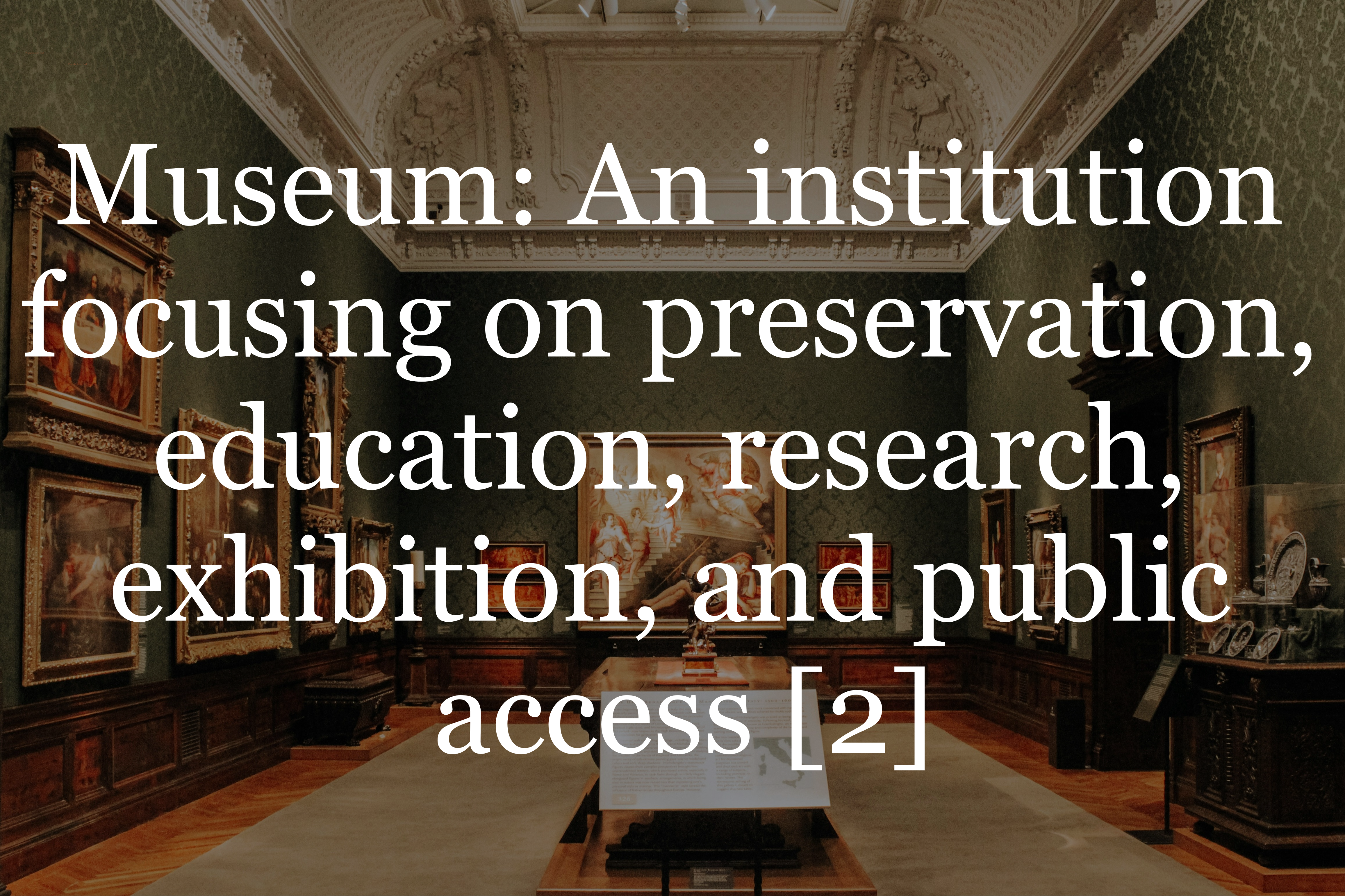
Galleries, libraries, archives, and museums (GLAMs) are institutions whose primary goal is structured around the idea of cultural heritage [1]. Whether that be through information access or knowledge keeping, dissemination, or preservation, GLAMs provide distinct yet interconnected benefits to both industry and society. To help further grasp these complementary differences, the characteristics of each of these institutions can be found on the image carousel below.
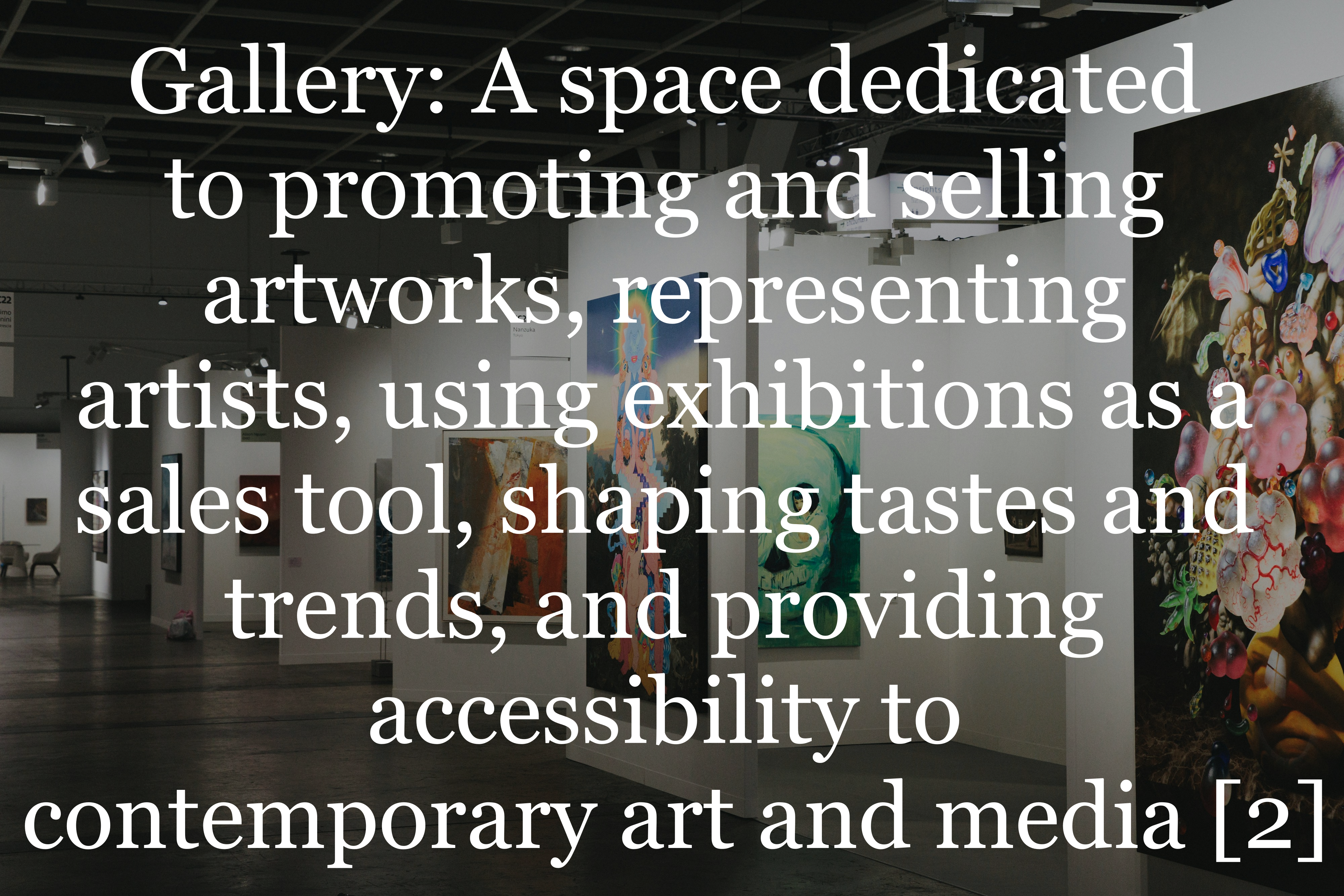
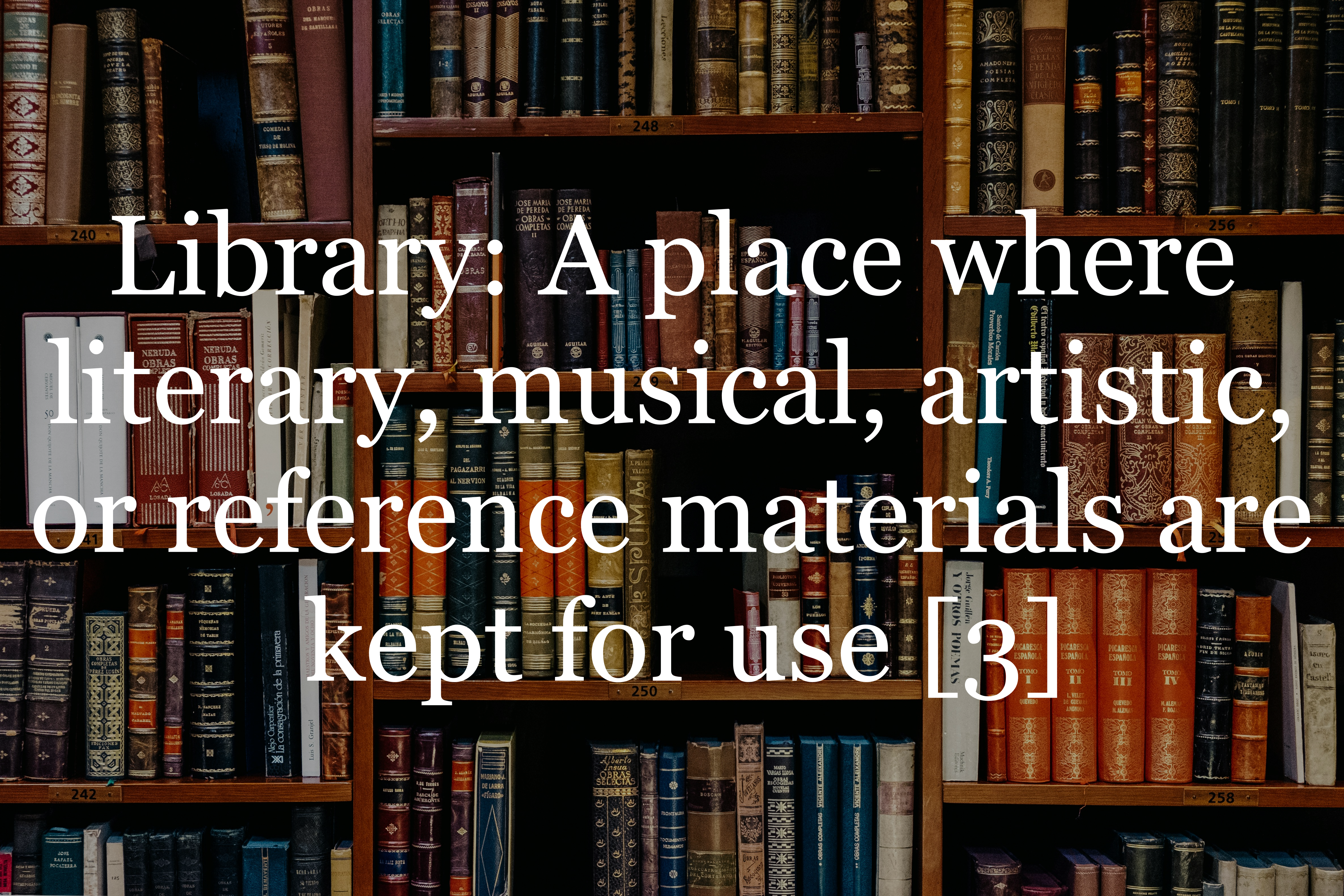
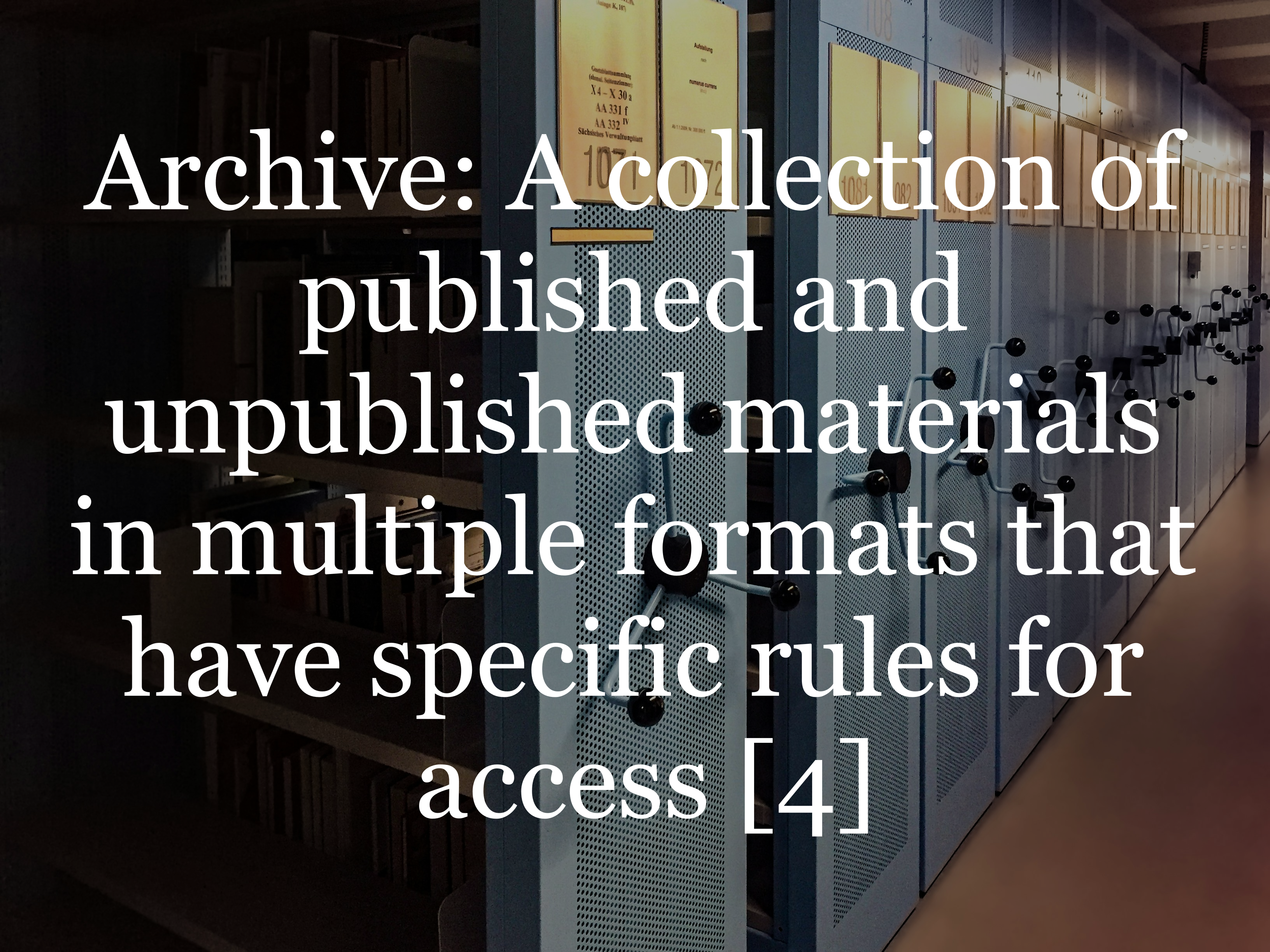
We are currently living in a digital age [5]. So, with the rise of technology and its extreme integration into daily society, GLAMs are having to adapt to remain relevant sources of information. Digitalization, or the integration of technology to improve performance, has played a key role in this process [6]. This has resulted in user experience enhancement, open access to collections, elevated research opportunities, and knowledge preservation [6, 7].
Timeline [6, 8]
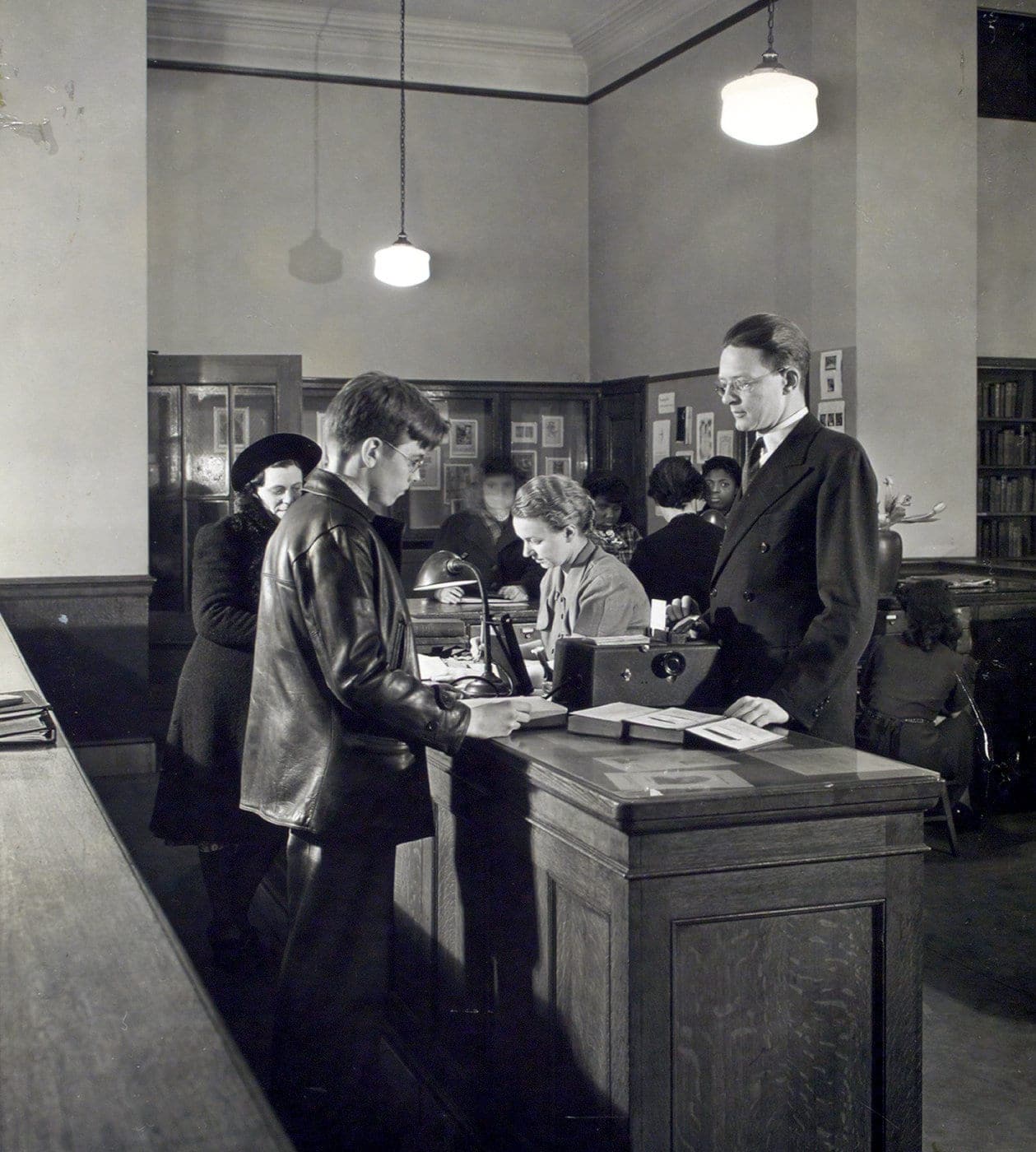
1932
First electric checkouts open in libraries

1950
Ben Laposky creates Oscillons, a first of its kind electronic artwork collection
1965
A. Michael Noll and Béla Julesz's Computer-generated pictures becomes the first computer art exhibition to open in the US
1970s
MARC, a computerized cataloguing system, becomes the industry standard for libraries
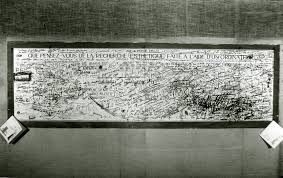
1971
Computer Graphics - Une Esthétique Programmée by Manfred Mohr becomes the first solo exhibition of computer-generated art
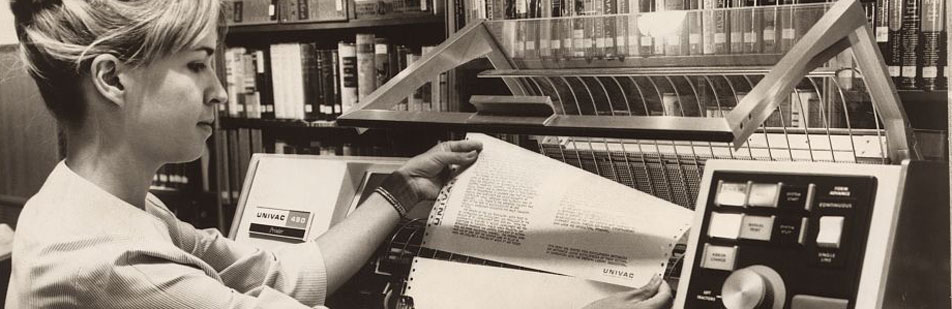
1980s
The Library of Congress begins to digitize its content
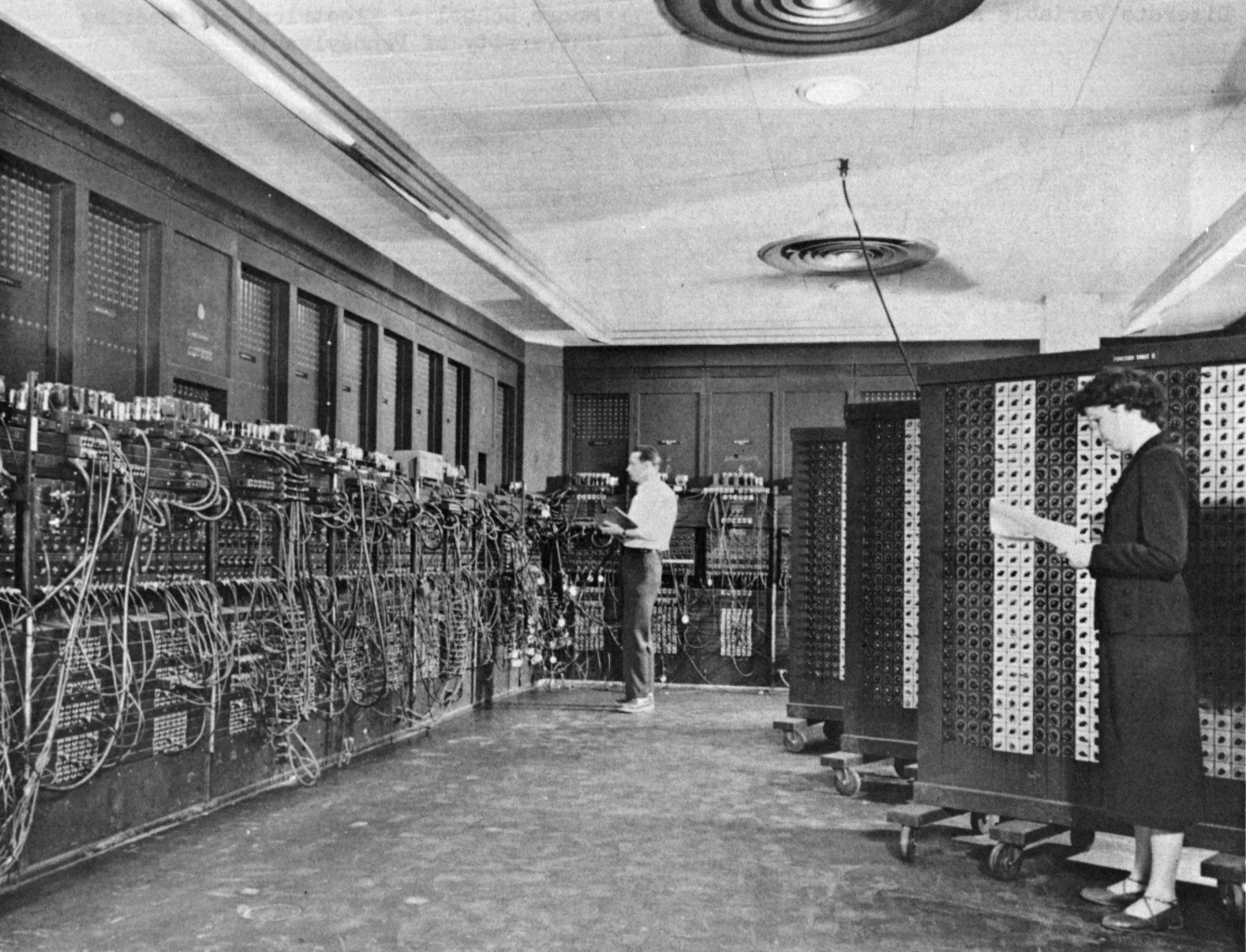
1991
Carnegie Mellon University introduces the first digital library
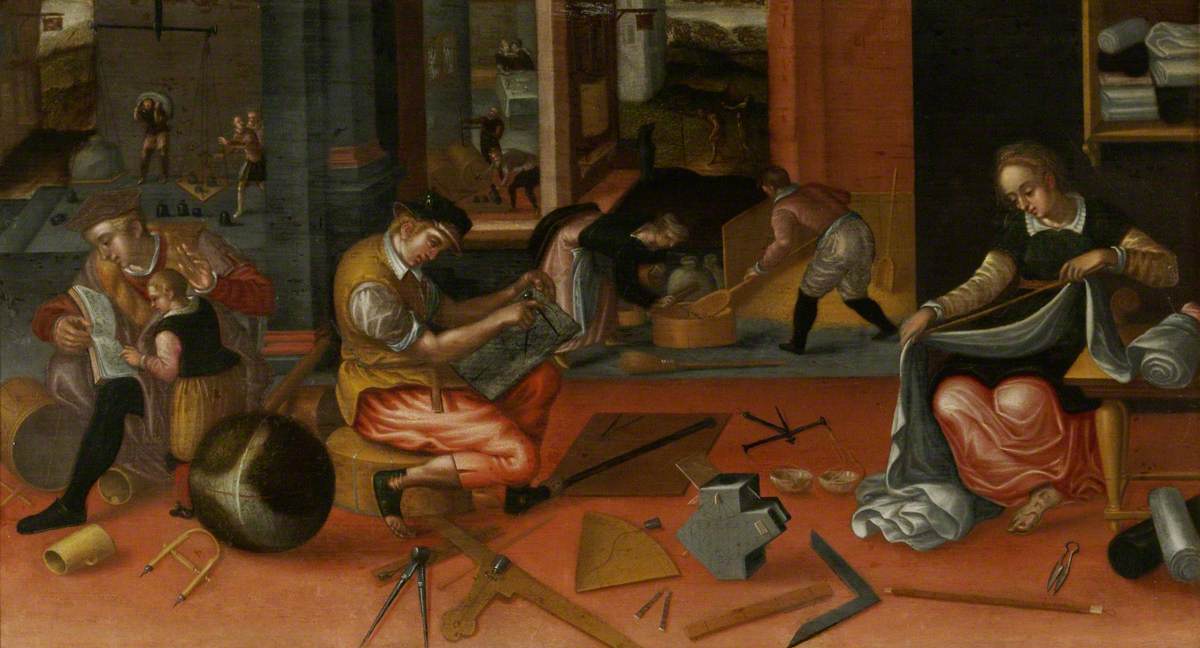
1995
The Museum of the History of Science in Oxford becomes the first physical museum to launch a virtual exhibit
1999
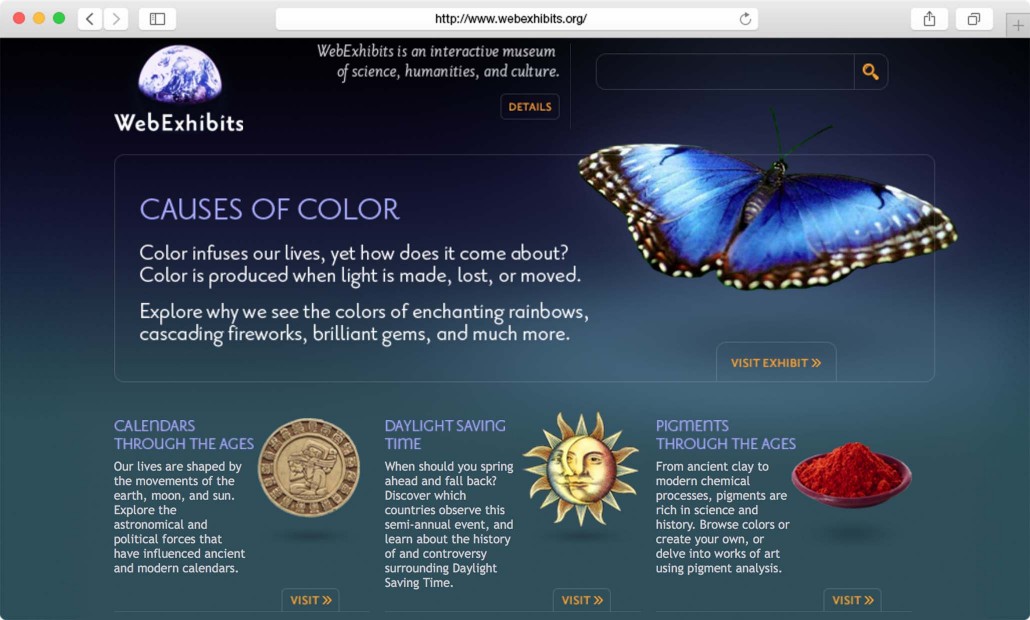
WebExhibits, one of the first interactive online museum, launches
2000
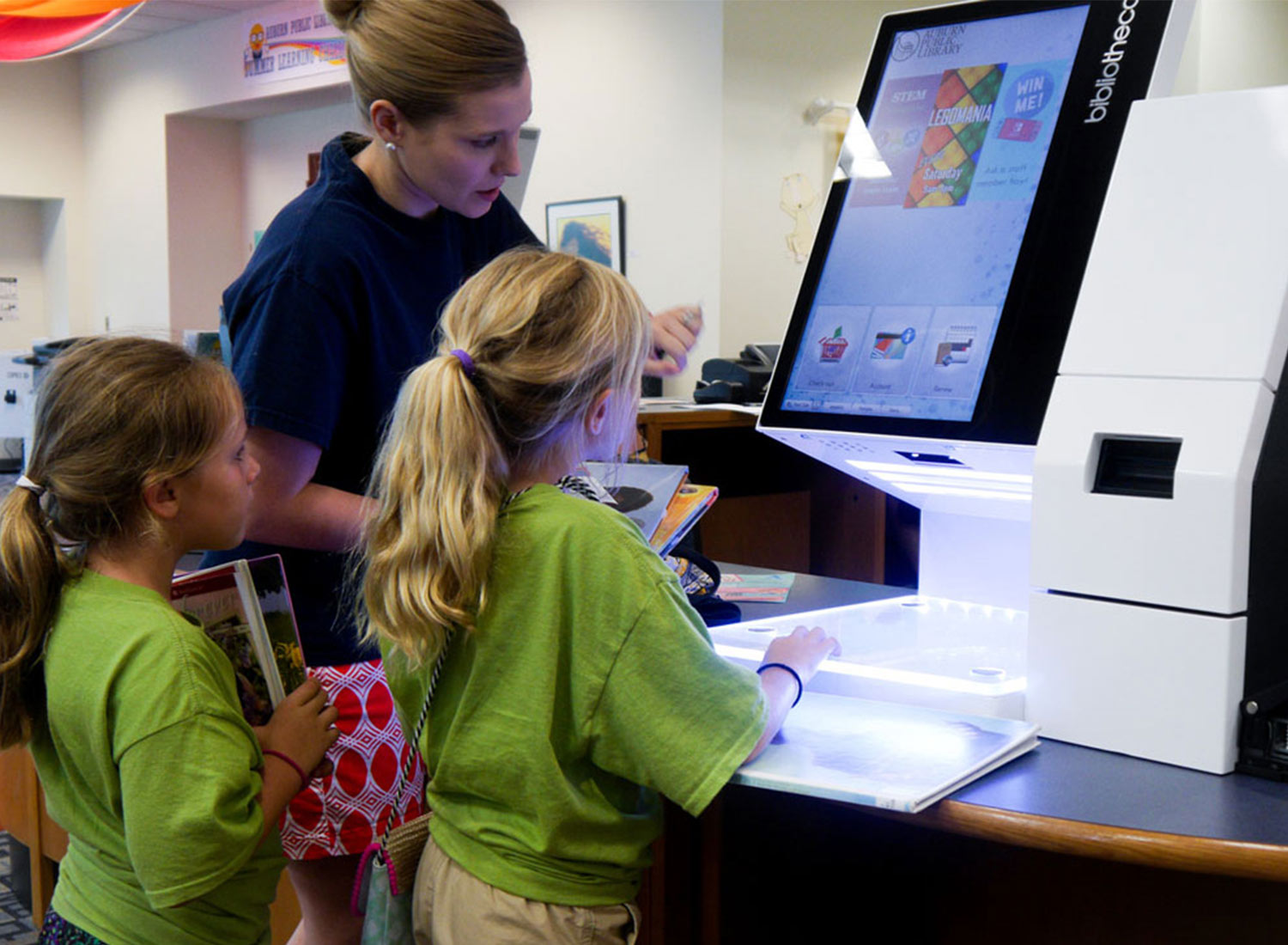
RFID technology improves checkouts at libraries
Early 2000s
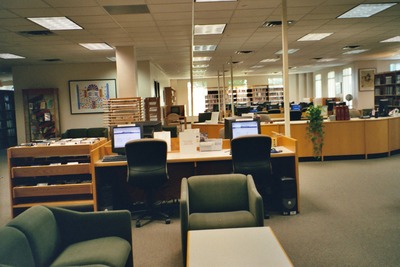
Libraries begin to have digital newsstands
Late 2000s
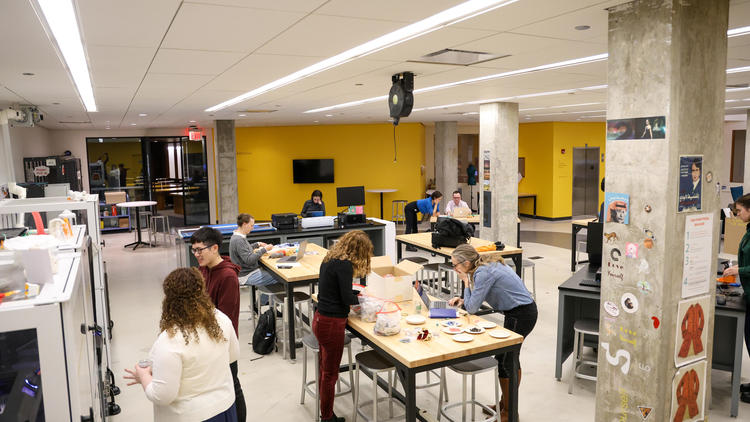
Libraries include more than physical books and start incorporating makerspaces

2020
The World Health Organization officially declares COVID-19 a pandemic
COVID-19 and GLAMs
During the peak of the COVID-19 pandemic, many institutions faced a worldwide lockdown. In April 2020, it was reported that at least 85.3% of the world's museums and 98% of the United States' libraries had closed [9, 10]. Thus, GLAMs were faced with the challenge of serving their communities all while temporarily ceasing in-person services. Technology helped serve to bridge this gap.
In fact, 15% of museums participating in a survey conducted by the International Council of Museums reported an increase in utilization of digital activities such as online collections and exhibitions, live events, newsletters, podcasts, quizzes or contests, and social media [9]. Most astonishingly, social media use increased for 50% of participants [9].
As for US libraries, 74% of participants in a survey conducted by the Public Library Association expanded online check-out services, 61% added virtual programming, and 41% increased online virtual reference and help [10].
COVID-19 provided a high pressure environment that pushed GLAMs towards accessible digitalization. However, this did not come without a cost- 55% of museums in the US and 35% of libraries in the US and Canada have not returned to pre-pandemic levels of attendance. [11, 12]. So, this raises the question as to what can be done to reignite public interest in GLAM institutions, and if other technological innovations, such as artificial intelligence, can be the answer.
AI Implementation
Most people, when they hear of artificial intelligence in galleries, libraries, archives, and museums, they think of AI-generated artworks or books being honored and displayed amongst man made media. However, there is another world of AI implementation. For attendees of galleries, libraries, archives, and museums, AI has the potential to greatly influence their experiences, both through physical and online means. Implementation in exhibitions can create more impactful and personalized material, usage of personalized agents and AI-powered semantic searches can streamline assistance and queries, and application in accessibility can aid in reaching more guests. As for curators, archivists, librarians, and other specialists, AI can help consolidate intensive, manual tasks into quickly accomplished jobs. These workers especially benefit from its ability to help catalog materials and items within their collections. All together, AI holds the capability of benefiting a wide range of people.
User Benefits
Exhibitions
Generative artificial intelligence is elevating user experiences in museum and gallery exhibitions by becoming a key part of the exhibitions themselves. Due to the customizable nature of generative AI, its inclusion into creative institutions makes for an immersive and personal experience, as was seen in the Louvre Abu Dhabi's exhibit From Kalila wa Dimna to la Fontaine, Travelling Through Fables (trailer of exhibit is below). This exhibition focused on creating a multi-sensory experience that highlighted traditional fables and animal tales [13]. One section that produced this meditative environment was shaped by the incorporation of generative AI. Attendees were invited to generate their own story in the style of one of the featured authors of the exhibition, along with additional customizations in the form of unique characters and a moral theme [13].
From Kalila wa Dimna to la Fontaine, Travelling Through Fables Exhibition Trailer
Personalized Agents and Semantic Searches
AI-powered personalized agents are helping institutions interact with visitors in new, individualized ways. Through these agents, museums and galleries can offer an assistive and interactive discussion guide to help create a deeper, more profound understanding and emotional reaction to artworks and exhibitions. The Musée national des beaux-arts du Québec is already seen implementing this technology with their museum chatbot. Presenting physical scanning stations as well as an online prototype, this agent is able to offer discourse about visitors' questions, ideas, and emotions pertaining to the museum's exhibitions and artworks (promotion of the chatbot is below) [14].
AI semantic searches, on the other hand, can go beyond keywords and create connections between intended media. This allows for improved user experience and makes searching quicker, easier, and more discerning. Currently, the National Archives and Records Administration (NARA) has initiated a variety of AI use cases, one of them being an AI-powered semantic search engine [15].
Musée national des beaux-arts du Québec's Chatbot Promo
Accessibility
Accessibility in GLAMs has the potential to be greatly improved by the integration of AI. For museums and galleries, the user experience for visually impaired visitors stands to be vastly benefited from this technology due to its ability to generate descriptions of images and artworks. Workers at Rijksmuseum, an art museum in Amsterdam, would hand write descriptions for artworks at a pace of one per hour [16]. After collaborating with Microsoft and using their AI model, Copilot, Rijksmuseum was able to complete descriptions for a collection of one million pieces in a matter of hours, rather than the presumed decades it would have taken humans (mini documentary is below) [16].
As for libraries and archives, accessibility can be enhanced through the digitization of materials. Some collections can only be viewed by visiting in person, so removing that barrier by providing online access can be extremely beneficial for public usage and awareness. For example, the Boston Public Library has thousands of historical items that can only be viewed by physically coming in [17]. However, they have recently implemented an AI-powered project to make the collections accessible on their website (news clip is below) [17].
Microsoft and Rijksmuseum Mini Documentary
Boston Public Library News Clip
Specialist Benefits
Cataloguing
The main benefit AI can provide specialists who work in the GLAM sector is assistance with cataloguing. Keeping track of thousands of items in an organized way is an arduous task, and many galleries, libraries, archives, and museums are seeking digital help. For example, the Library of Congress launched an experiment called Exploring Computational Description (ECD) with the intention of improving catalogers' workflows [18]. The investigation centered around determining the efficiency of AI in the cataloguing process, specifically in the creation of metadata records [18]. While the experiment concluded with the knowledge that no current AI tools were sufficient for the task, it left a clear goal for future development and research [18].
However, there is current artificial intelligence technology that can help specialists with more simple tasks. Transkribus is an AI tool capable of text recognition, customized training, field and table recognition, text editing, and publishing and searching across collections (Transkribus ad below) [19]. The Museum für Naturkunde, the Musée des Hospitalières, and the National Museums of World Culture have taken up large projects using Transkribus in hopes of digitizing and organizing its content [19].
Transkribus Ad
Ethical Concerns
Considering AI's impacts on GLAMs would be incomplete if ethical concerns were not fully acknowledged. Given that these institutions stand as a gateway between the community and cultural heritage, it is important that they fully contemplate concepts such as accuracy, bias, and sustainability when regarding artificial intelligence.
AI and Data
Artificial intelligence has a complicated relationship with data. AI can only be as good as the immense amounts of data it's given. In other words, good models require enormous quantities of high quality data. This leads to many opportunities for harm, as will be discussed below.
Accuracy
Accuracy is a common and valuable measure for determining an AI model's success [20]. In terms of artificial intelligence in GLAMs, accuracy is very important due to the public nature of its possible implementations. It is worth knowing that AI can never be one-hundred percent accurate [21]. Take, for example, a chatbot whose input dataset consists of only true statements. It would still have the possibility of outputting a false statement because AI models only recognize patterns, not facts- they are professional guessing machines [21].
Bias
Bias, for this context, can be understood to be caused by the data used to train the model. The saturation, or lack thereof, of certain ideas or concepts that are in a dataset has a direct impact on a model's result. Through this, AI can be used to reinforce stereotypes, social prejudice, and cultural flattening [22]. This could be especially harmful since GLAMs are trusted institutions and protectors of heritage.
Sustainability
Training, employing, and fine-tuning AI models can take up immense amounts of electricity. This, of course, puts a strain on local electric grids and releases more carbon dioxide emissions [23]. Behind the scenes, the servers used to host the models get very warm due to the amount of computations they perform. Therefore, clean water is needed to cool them off, thus exerting municipal water supplies and disrupting nearby ecosystems [23].
Saint Olaf Perspectives
To gain some local perspectives on this situation, I asked a Saint Olaf museum curator, librarian, and archivist about AI implementation in GLAMs. For each specialist, I proposed similar questions with minor changes to fit their personal skills and outlook. Details of each question and their full responses can be found in the document below.
Conclusion
To conclude, AI has and can be implemented in galleries, libraries, archives, and museums to improve visitor and specialist experiences. Multiple examples already exist of AI being used in these institutions, but careful consideration should be given to the ethical concerns of using such a costly technology. As for Saint Olaf, AI has not yet been incorporated within its GLAMs, but seeds have been planted for future possibilities.
Discussion Questions
- If you were a museum or gallery curator, archivist, or librarian, would you want to implement AI at your institution? Why or why not?
- What technological alternatives to AI can you think of for improving GLAMs? What are their benefits and drawbacks? How do they compare to artificial intelligence?
- Imagine one specific example of bias, accuracy, or sustainability issues from AI causing a problem within a GLAM institution. Be specific.
Sources
[1] The University of British Columbia. 2025. Other GLAM Institutions - Indigenous Librarianship (3 December 2025). Retrieved from https://guides.library.ubc.ca/Indiglibrarianship/GLAMinstitutions.
[2] Frank Johnson. 2025. Museum or Gallery: Unpacking Their Unique Charms, Core Distinctions, and How to Navigate Your Next Cultural Adventure. (6 October 2025). Retrieved from https://www.wonderfulmuseums.com/museum/museum-or-gallery/.
[3] Merriam-Webster. 2025. LIBRARY Definition & Meaning (2 December 2025). Retrieved from https://www.merriam-webster.com/dictionary/library.
[4] The Society of American Archivists. 2025. What Are Archives and How Do They Differ from Libraries? Retrieved from https://www2.archivists.org/usingarchives/whatarearchives.
[5] Tyler Biscontini. 2025. Information age (Digital age) (2025). Retrieved from https://www.ebsco.com/research-starters/information-technology/information-age-digital-age.
[6] Jingjing Li, Xiaoyang Zheng, Ikumu Watanabe, and Yoichi Ochiai. 2024. A systematic review of digital transformation technologies in museum exhibition. Computers in Human Behavior 161 (December 2024). https://doi.org/10.1016/j.chb.2024.108407.
[7] Yasaman Saharkhiz, Majid Valizadeh, and Hengameh Salamat. 2017. The Evolution of Academic Libraries in the Age of Technology. Journal of History Culture and Art Research 5, 4 (January 2017). https://doi.org/10.7596/taksad.v5i4.615.
[8] Pressreader. 2024. The evolution of libraries to the 21st century (Infographic) (17 June 2024). Retrieved from https://blog.pressreader.com/libraries-institutions/21st-century-library-evolution-timeline.
[9] International Council of Museums. 2020. Museums, museum professionals and COVID-19. Retrieved from https://icom.museum/wp-content/uploads/2020/05/Report-Museums-and-COVID-19.pdf.
[10] Public Library Association. 2020. Public Libraries Respond to COVID-19. Retrieved from https://www.ala.org/sites/default/files/pla/content/advocacy/covid-19/PLA-Libraries-Respond-Survey_Aggregate-Results_FINAL2.pdf.
[11] Susie Wilkening. 2025. Visitation Recovery Trends from the Pandemic: A 2025 Annual Survey of Museum-Goers Data Story (3 October 2025). Retrieved from https://www.aam-us.org/2025/10/03/visitation-recovery-trends-from-the-pandemic-a-2025-annual-survey-of-museum-goers-data-story/.
[12] Lisa Peet. 2024. ULC 2024 Library Insights Report Shows Rebounds from Pandemic, Shifts in User Behavior (27 November 2024). Retrieved from https://www.libraryjournal.com/story/ulc-2024-library-insights-report-shows-rebounds-from-pandemic-shifts-in-user-behavior.
[13] France Muséums. 2024. Creating the Narrative of an Exhibition. Retrieved from https://francemuseums.com/creating-the-narrative-of-an-exhibition/.
[14] Musée national des beaux-arts du Québec. 2025. Chatbot. Retrieved from https://www.mnbaq.org/en/plan-your-visit/resources-for-visiting-the-musee/chatbot.
[15] National Archives and Records Administration. 2025. Inventory of NARA Artificial Intelligence (AI) Use Cases. (22 August 2025). Retrieved from https://www.archives.gov/ai.
[16] Microsoft. 2024. Access to art is a human right. Retrieved from https://unlocked.microsoft.com/rijksmuseum/.
[17] Brianna Borghi. 2025. Boston Public Library using AI to make collections more accessible (3 September 2025). Retrieved from https://www.nbcboston.com/news/local/digitizing-history-boston-public-library-using-ai-to-make-collections-more-accessible/3802087/.
[18] Library of Congress. (n.d.). Exploring Computational Description. Retrieved from https://labs.loc.gov/work/experiments/ECD/?loclr=blogsig.
[19] Frédéric Dagenais. (n.d.). Artificial intelligence in museums: three Transkribus case studies. Retrieved from https://www.transkribus.org/en/blog/ai-in-museums.
[20] Sara Mannheimer, Natalie Bond, Scott W. H. Young, Hannah Scates Kettler, Addison Marcus, Sally K. Slipher, Jason A. Clark, Yasmeen Shorish, Doralyn Rossmann, and Bonnie Sheehey. 2024. Responsible AI Practice in Libraries and Archives: A Review of the Literature. Information Technology and Libraries 43, 3 (23 September 2024). https://doi.org/10.5860/ital.v43i3.17245 .
[21] Arvind Narayanan and Sayash Kapoor. 2025. How Generative AI Works and How It Fails. MIT Case Studies in Social and Ethical Responsibilities of Computing (August 2025). https://doi.org/10.21428/2c646de5.70cfbc85.
[22] Yanan Fu, Ke Shi, and Le Xi. 2025. Artificial intelligence and machine learning in the preservation and innovation of intangible cultural heritage: ethical considerations and design frameworks. Digital Scholarship in the Humanities 40, 2 (7 May 2025). https://doi.org/10.1093/llc/fqaf034.
[23] Adam Zewe. 2025. Explained: Generative AI's environmental impact (17 January 2025). Retrieved from https://news.mit.edu/2025/explained-generative-ai-environmental-impact-0117.